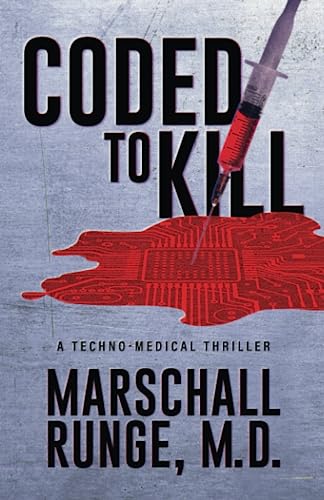
Book Spotlight: CODED TO KILL by Marschall Runge M.D.

CODED TO KILL by Marschall Runge M.D. book coverCoded to Kill: A Techno-Medical Thriller by Marschall Runge M.D.
ISBN: 9781637589250 (Paperback)
ISBN: 9781637589274 (Hardcover)
ISBN: 9781637589267 (eBook)
ASIN: B0C83Q9624 (Kindle edition)
Page Count: 318
Publication Date: June 13, 2023
Publisher: Post Hill Press
Genre: Fiction | Thriller | Mystery

Is medicine’s greatest breakthrough also the world’s most efficient killing machine?

After a decade of development, Drexel Hospital’s cutting-edge Electronic Health Records system is about to become the national standard and revolutionize health care. Housing the real-time medical records of every American, the EHR system will enable doctors to access records with a keystroke and issue life-or-death medical orders with a finger swipe.

No one wants the EHR to succeed more than Hugh Torrence, a former NSA honcho who sees the system as a tool for unimaginable and unaccountable power. The only thing standing in his way is a loose-knit group of Drexel employees with conflicting agendas and questionable loyalties—including Dr. Mason Fischer, a physician with a taste for intrigue and a shadowy past; a street-wise techie named RT; and an internal medicine resident, Dr. Carrie Mumsford, the daughter of the hospital’s president.

While they search for answers, the suspicious patient deaths keep mounting as the target on their back grows larger.

Purchase Links #CommissionEarned: Amazon | Amazon Kindle | Barnes and Noble | B&N eBook | Kobo eBook

Praise for Coded to Kill:

“A beautifully written, complex mix of medical drama, espionage story, and hi-tech skulduggery, Coded to Kill is a thrilling read under the guidance of someone who knows what he is talking about, and never fails to enthrall with its detail and deft plotting.”
–Iain Pears, author of An Instance of the Fingerpost and The Dream of Scipio

“Dr. Marschall Runge gives us both a heart-stopping thriller and a searing indictment of the degree to which technology has sapped the soul of medicine and handed it to the technocracy.”
–Holden Thorp, Editor-in-Chief, Science Family of Journals

An Interview with Marschall Runge

1. Where did the idea for Coded to Kill originate from?

Two words: aggravation and imagination. Like many physicians – I’m a cardiologist – I found the transition to electronic health records (EHRs) to be problematic because they increased our paperwork and diverted attention from patients. As a hospital administrator, I learned more about the power of EHRs – they do improve communication between healthcare providers and make previously illegible notes now legible. But there is little evidence that, overall, EHRs have reduced medical errors, which was their promise. And protected health information (PHI), which previously had to be obtained in written medical records, is now on-line and accessible both to all who have access to these records, as well as to nefarious characters cruising the internet for private information. With these ideas swirling in my mind, and having read too many thrillers, it occurred to me that a novel hinged on the promise and perils of emerging medical technologies would be a fun and effective way to share my concerns with the public.

2. What are your thoughts on recent ransomware attacks on hospitals and how does this phenomenon relate to Coded to Kill?

Ransomware attacks - where hackers steal or take control of vital systems and information – are a growing threat to public safety and health. Hospitals are an especially attractive target because we must maintain highly detailed and organized information on those we care far and because our work truly involves life and death stakes. Though the potential risks of online medical records are heightened in Coded To Kill, it is important that everyone who uses EHRs and/or have their information contained in them understand their vulnerabilities. In Coded to Kill, the action of my “heroes” provide a realistic hope that we can fight back.

3. How should the medical industry approach privacy concerns?

Hospitals have a sacred duty to safeguard Protected Health Information (PHI) even as we face challenges not just from malevolent hackers, but, ironically, from our own decision to improve patient care (and generate revenue). “Data aggregators” like Google offer tens of millions of dollars for access to large medical record databases and high quality information that can be used to devise new diagnostic tools and treatments. Coded to Kill illustrates a reality – that some of these arrangements become deals with the devil as “anonymous” patient records can, in some circumstances, be de-anonymized. I am proud to say that Michigan Medicine has become a leader in implementing programs to thoroughly evaluate and vet these requests.

4. In the medical field, do the pros of technological advancements outweigh the cons? Is there a clear path for mitigating the negative effects of progress?

I am convinced that medicine is on the edge of a golden age of innovation that will deliver lifesaving and life-enhancing results to patients around the world. Technological advances are already resulting in amazing therapies and many diseases that were untreatable when I began my career four decades ago can now be cured. A major problem, which Coded to Kill illustrates, is that technology can also be hijacked by bad actors. These vast changes also create another problem: the opportunity of fraudsters such as Elizabeth Holmes and Theranos to exploit this hope to peddle high-tech versions of snake oil that hurt those who need help.

5. In your opinion, does the future of medicine involve AI?

Absolutely. Generative AI and deep machine learning are already providing amazing advances in drug discovery, diagnosis and prevention. When I began my career, it took months or even years for advanced medicinal chemists to identify a small number of compounds they could modify and test to inhibit key disease pathways. Just within the last year, AI/ML algorithms have been developed that can generate more than one million new structures a day. But, like the advanced EHR featured in Coded To Kill, we never forget that machines are tools that must be used and controlled by human beings, who possess a conscience and morals. We are the secret sauce of innovation.

6. What’s next for you?

My experience writing Coded to Kill has convinced me that novels provide a great opportunity to bring important medical issues to life – to start meaningful conversations with the people we care for. I am working on a second novel that revolves around an extraordinary investigator using AI to discover secrets that seem to reverse aging. But shortcuts were taken, data was faked, and terrible outcomes in an illicit clinical trial involving prisoners were suppressed…. you get the picture. As with Coded to Kill, I will use real-life examples as a starting place for each of these themes.

Author Bio:

Author Marschall S. Runge M.D. photo: middle-aged white male in a navy blue suit jacket, light blue dress shirt, and yellow and blue striped tieMarschall S. Runge, M.D., Ph.D., is the executive vice president for Medical Affairs at the University of Michigan, dean of the Medical School, and CEO of Michigan Medicine. He earned his doctorate in molecular biology at Vanderbilt University and his medical degree from Johns Hopkins School of Medicine, where he also completed a residency in internal medicine. He was a cardiology fellow at the Massachusetts General Hospital. He is the author of over 250 publications and holds five patents for novel approaches to health care. As a Texas native who spent fifteen years in North Carolina and an avid thriller reader, Runge has experienced so many you-can’t-make-this-up events that his transition to fiction was inevitable.

Connect with the author: Amazon | Goodreads

Books Forward - Elevating Voices, Breaking Barriers logoThis interview brought to you by Books Forward

Book Showcase - BABYLON: A NOVEL OF JEWISH CAPTIVITY by Michelle Cameron

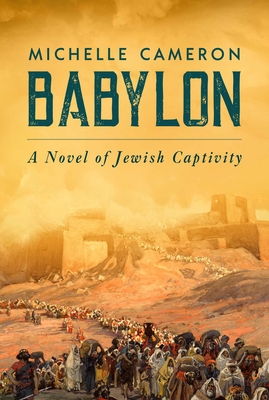
BABYLON: A NOVEL OF JEWISH CAPTIVITY by Michelle Cameron book cover featuring a depiction of the ancient city of Babylon and long lines of peopleBabylon: A Novel of Jewish Captivity by Michelle Cameron
ISBN: 9781637587614 (Paperback)
ISBN: 9781637587621 (ebook)
ASIN: B0CB78NNCZ (Kindle edition)
Page Count: 432
Publication Date: September 12, 2023
Publisher: Wicked Son (Post Hill Press)
Genre: Fiction | Historical Fiction

A multi-generational biblical saga of captivity, romance, faith, and redemption, set against the Judean exile in Babylon.

Everything changes for Sarah the day Nebuchadnezzar’s army storms Jerusalem. In an instant, her peaceful life on the farm is ripped her city sacked, her temple desecrated, her people enslaved. Marched across unforgiving desert sands to Babylon, Sarah and the remaining Judean people must find a way to keep their faith alive in a new and unforgiving home.

Displaced within an empire of strange gods and unimaginable wealth, Sarah and her descendants bear witness to palace intrigue, betrayal, brutal sacrifice, regicide, and a new war brewing in the east. Through every trial, the Hebrew people attempt to preserve their religion. Uri, Sarah’s son, transcribes incredible stories of prophets and visions, Creation and Exodus—stories that establish the central tenets of the Hebrew faith.

Purchase Links #CommissionEarned: Bookshop.org | Amazon | Amazon Kindle | Barnes and Noble | B&N eBook | Kobo eBook

Advance Praise:

“The extraordinary true story of the exile of the Jews in Babylon and their miraculous return seventy years later. The tale is personal and powerful, passing through the experiences of several generations. Some served in the palace, some made their homes in the city of Babylon, and others inhabited the deserted farms of the exiles. Insightful, colorful, and fascinating.”
–Margaret George, New York Times bestselling author of Helen of Troy, The Memoirs of Cleopatra, The Confessions of Young Nero, The Splendor Before the Dark, and many others.

Babylon brings one of the most exciting Biblical eras to life in realistic, almost cinematic detail. You’ll meet Biblical prophets, get caught up in palace intrigue, and witness the devastation of ancient warfare. You’ll also fall in love with many compelling characters, especially Sarah and Chava, who leap right from the page into your heart. A thrilling and gripping read!”
–Lori Banov Kaufmann, National Jewish Book Award winner and 2021 The Christy finalist of Rebel Daughter

“Michelle Cameron brings the ancient world to life in a heart-wrenching story you won’t want to put down. Beautifully written, with imagery so vivid you’ll feel like you’re actually there.”
–Michelle Moran, USA Today and international bestselling author of Nefertiti, Cleopatra’s Daughter, The Heretic Queen, and many others

Babylon vividly evokes hanging gardens, exile, and a too-neglected but powerfully significant period of our cultural history. Michelle Cameron has written a unique and memorable historical tale, rich with Biblical and historical acuity, well-developed characters, vivid changes of milieu, themes of exile and adaptation, and wonderful ironic twists. Informative, entertaining, and evocative, Babylon is a book you’ll remember.”
–Mitchell James Kaplan, award-winning author of By Fire, By Water, Into the Unbounded Night, and Rhapsody

“Fascinating from first page to last, Babylon is an intense retelling of the brutal exile of the Judeans from Jerusalem in 586 BCE. Every character comes to life in the deadly enforced march and the ensuing poverty, despair, and slavery. When they are finally allowed to return home after seventy years, they discover their land is now owned by others. Dreams and disappointments flow through the lives of the characters as they first push away the ‘heathens’ and then find themselves inextricably bound with them. Michelle Cameron’s epic novel will keep you up late reading.”
–American Book Award winner Stephanie Cowell, author of Claude & Camille: A Novel of Monet and The Boy in the Rain

“To read Babylon is to be completely transported to another time and place. Cameron’s impeccably researched novel is a lush and evocative page-turner.”
–Rebecca Kanner, author of Sinners and the Sea and Esther.

“Extraordinarily rich in detailed descriptions, Michelle Cameron’s Babylon takes you on a young Judean woman’s brutal journey of exile to Babylon and later to the victorious return of her extended family to Judea. Her life in and out of court, and the men she deals with all play important roles of her future generations in Babylon and ultimately, Judea. Other characters are interwoven in this tapestry of captivity and all, through their trials, cling to the hope of God’s blessing and the return to their homeland…seventy years later. An excellent story.”
–S.A. Jewell, author of Solomon’s Concubine

Read an excerpt:

Part One: The Captives
586 BCE–Year 1 of the Exile

1. Sarah Under Siege

Sarah stood at the window of the family farm outside of Jerusalem, staring across the hills into the confusion of the city. Flames and smoke rose from Mount Moriah. But it couldn’t be—

“Papa,” Sarah choked out.

“How many times have I said to stay away from that window?” Baruch, her father, pushed her aside to stand in front of the window himself. “God help us,” he gasped.

Flames were shooting up from the Temple Mount. Solomon’s Temple—God’s Temple—was burning. “How could they?” she whispered.

Her father wheeled on her. “They’re idolators; that’s how. Placed on this Earth for no other purpose but evil.”

It was inconceivable. Why hadn’t God stopped them? Sarah could almost smell the rich scent of the cedar and fir walls that lined the Temple as they smoldered in flame. Even at this distance, she saw the Chaldean forces gleefully loading carts with the gold and silver ornaments of the Lord, seizing them as war loot to enrich the coffers of the Babylonians. How could anyone destroy such beauty?

Her father irritably brushed aside her comment, his hand smacking the air.

Unable to bear it, she looked in another direction. Beyond the Temple Mount, outside the city, soldiers raced back and forth on the solid earthen banks they’d built up over the past weeks to attack Jerusalem’s sacred stone walls. They made Sarah think of wasps buzzing angrily in date palms, swarming about her head as she collected ripe fruit. She watched, helpless, as the enemy cast heavy stones from giant catapults while shower after shower of arrows fell upon the city. The air was acrid with the smell of dust and smoke and of oil bubbling on Judean fires, sent scalding down the walls to repel the attackers.

“We’ll see an end to this before nightfall,” her father said, his voice heavy with resignation.

They had not seen daylight for many days. The skies were dark and angry, brooding, as if God Himself wished to add to the assault’s fury. The prophets had warned them, Father had growled just last night. Jeremiah had warned them. Still Sarah prayed, trying to ignore the tumult surrounding her. It was no use. God was angry with His people, the prophets proclaimed, and had sent the bold Babylonian conquerors to punish them. Sarah believed them.

After all, Sarah’s God was always angry. Just like her father. She often confused the two.

“What will they do to us?” moaned Aliza, Sarah’s mother.

Mother sat on her stool near the hearth, having gathered her household treasures around her. In her lap was a pile of hand-worked linen, which she stroked compulsively.

“Aliza,” Baruch chided her, turning from the window, his face bleak. “With death lurking in every corner, why do you cling to that old cloth?”

But Sarah knew why. Her mother’s life was confined to the solidly built rooms and terraced fields of the sprawling white stone farmhouse. She needed to clasp something solid, gain comfort from softness she could touch and caress. As her father turned away, Mother snuck the cloth to her cheek, hand shaking. Sarah knelt by her stool, laying her head in her mother’s lap to both give and take comfort. Aliza’s trembling fingers moved from the cloth to Sarah’s hair.

It would not be long now, Sarah thought, her heartbeat rising in panic.

The servants, suspecting the worst, had fled the farm yesterday, leaving their rakes in the field and dinner half cooked. Only old Dina remained, too brittle and cloudy eyed to contemplate escape. The handmaid sat blinking in a corner of the room, her wrinkled face working in silent terror.

Sarah pictured the soldiers marching up the hillside in orderly rows, breastplates glinting in the sun. The family would huddle in a corner while the greedy troops seized her mother’s shining metal mirrors and soft goatskin rugs. They would round up the sheep and goats now bleating piteously in the pen behind the house. But then Sarah willed them to move on. After all, there was no reason for them to lay good farmland to waste.

But even if they burned this season’s crop in the field, Sarah thought, that would surely be the worst of it. Her father’s fears of death and destruction were groundless. They had to be. Sarah could not imagine life beyond the family farm, this safe, familiar place where she had lived every day of her young life.

Excerpt from Babylon: A Novel of Jewish Captivity by Michelle Cameron.
Copyright © 2023 by Michelle Cameron.
Reproduced with permission from the publisher, Wicked Son.
All rights reserved.

Author Bio:

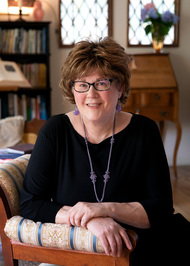
Author Michelle Cameron

Michelle Cameron‘s Beyond the Ghetto Gates (She Writes Press, 2020) was awarded a Silver Medal in Historical Fiction by the Independent Book Publishers, won First Place/Best of Category for the Chanticleer Goethe Awards and was a Foreword Indies finalist. Her previous historical novel, The Fruit of Her Hands (Simon & Schuster’s Pocket Books, 2009), is based on the author’s thirteenth-century rabbi ancestor, Meir ben Baruch of Rothenberg.

Michelle’s novel-in-verse, In the Shadow of the Globe (Lit Pot Press, 2003) was named Shakespeare Theatre of NJ’s 2003-4 Winter Book Selection. In addition, it was performed at a variety of venues, including the Stella Adler Studio’s Shakespeare Benefit.

She lived in Israel for fifteen years (including three weeks in a bomb shelter during the Yom Kippur War) and served as an officer in the Israeli army teaching air force cadets technical English.

A director of The Writers Circle, Michelle teaches creative writing to children, teens, and adults in NJ and virtually. Residing in Chatham, NJ, with her husband, Michelle has two grown sons of whom she is inordinately proud.

Connect with the author: Facebook | Goodreads | Instagram | Twitter | Website

Guest Post: W. Craig Reed - STATUS-6

Good day, my bookish peeps. I hope you’re all enjoying the warmer weather and getting plenty of reading done. Since the pandemic began, I’ve been reading quite a bit of romance, not to mention re-re-reading some favorites. This Spring has been the first time in almost year that I’ve been reading other genres, namely more historical fiction, mystery, thrillers, suspense, etc. Yes, I know that I have thousands of titles already on my TBR list, but I’m always looking for new books and new-to-me authors. This is just one of many reasons I love virtual book tours. Today, I get to introduce you to a new-to-me author and I hope that you’ll be adding his books to your TBR list. Please help me welcome, W. Craig Reed, author of Status-6, a military thriller. Mr. Reed is retired submariner and a writer of nonfiction as well as fiction oft focusing on the military. I’m incredibly honored to welcome him to the blog today as he discusses the Kursk submarine disaster. Thank you, Mr. Reed, for taking the time to join us today, the blog is now yours.

guestpost.png

The Untold Truth About the Kursk Submarine Disaster

August 12, 2020 marked the twentieth anniversary of the most terrifying tragedy in submarine naval history. The Russian submarine Kursk was lost with all hands—118 souls—during a naval exercise in the Barents Sea. The Russians claimed that an antiquated torpedo had exploded and caused the incident, that the twenty-three survivors in the aft section died on the first day, and that a U.S. spy submarine had collided with the Kursk. The first two claims were lies. The last may have been true. Moreover, the Kursk submarine propelled Putin to power and its demise allowed him to rebuild Russia and ignite a new cold war with the West.

In August 1999, the Kursk undertook a secret mission to sneak in close to the USS Theodore Roosevelt—an aircraft carrier featured in the news in 2020 due to a COVID-19 outbreak. At that time, U.S. antisubmarine warfare (ASW) forces could not detect the Kursk, which could have obliterated the Roosevelt with one push of a button.

The Kursk returned to fanfare, and Vladimir Putin, struggling in the polls with only 2 percent of the presidential vote, met with the Kursk’s captain and praised the crew. Putin, whose father had been a Russian submariner, later visited a Russian naval base and completed a ceremony to become an honorary submariner. He then pointed to the Kursk’s mission success and promised to rebuild the Russian navy, which would provide jobs and prosperity to an impoverished nation. This platform propelled Putin to 53% of the vote in March 2000.

Eight days after Putin was elected president, he ordered a U.S. spy—former naval officer Edmond Pope—thrown into jail for trying to obtain plans for Russia’s top secret Shkval rocket torpedo. This frightening weapon used secret technology that allowed it to hit 200 knots underwater, making it four times faster than a U.S. MK48 torpedo. Now desperate for intelligence information, the NSA tasked two spy subs, the USS Memphis and USS Toledo, to monitor an upcoming Russian naval exercise in the Barents Sea in August 2000.

The Kursk had been selected to test fire the Shkval torpedo during the exercise, and on August 12, the USS Toledo snuck in close to record the firing. The tragic events that unfolded during this exercise were covered up by Russian and NATO officials for almost twenty years.

The Russians claimed that an unstable propellant in an outdated Type 65 torpedo caused the initial explosion. They suggested that the torpedo was loaded into an unclean tube moments before the scheduled firing, and the irritants ignited the unstable fuel. Any torpedoman, whether NATO or Russian, knows that torpedoes are loaded and ready in clean tubes hours before a test-firing. Also, two civilian experts from the Dagdizel military plant were in the torpedo room monitoring the exercise and would not have allowed an unstable weapon to be mishandled.

Several high-ranking officials aboard the Kursk and the target warship, the Peter the Great, observed the exercise. The two vessels were thirty miles apart. A Type 65 torpedo at top speed would have taken thirty minutes to reach the target and would have run out of fuel before arriving—an event not likely to attract an audience of senior military personnel. Experts and officials have since revealed that the Kursk was not test firing an old Type 65 weapon, but rather the new Shkval rocket torpedo.

Interviews with numerous experts and officials have verified that a Shkval became lodged in the tube during the firing exercise. After the firing mechanism was triggered, the Shkval was programmed to light off the rocket engine. Unable to leave the tube, the torpedo blew off the aft torpedo tube door, and two minutes later, the fire ignited the fuel in other torpedoes and caused the second, catastrophic explosion. Interviews with submariners aboard the USS Memphis and Toledo, the two U.S. spy subs monitoring the exercise, also reveal that a U.S. sub may have inadvertently caused the Shkval to become lodged in the tube due to a scrape or near-collision with the Kursk.

The secondary explosion disintegrated the forward sections of the Kursk, but the aft compartments remained intact. Twenty-three survivors awaited a rescue that never arrived. New and shocking evidence revealed by the dive teams involved in the rescue operation show that the Russians, while using antiquated rescue vehicles, may have accidentally flooded the aft escape trunk on the Kursk, which led to the demise of the survivors.

A month after the incident, Vladimir Putin and Bill Clinton met in New York and inside sources believe they conspired to cover-up facts to prevent a conflict or even a war. Putin then leveraged the Kursk tragedy to wrest control of energy firms from oligarchs and rebuild Russia’s wealth. He invested much of that wealth into building a formidable new navy that now threatens vital sea lanes.

Given that 90 percent of the goods we buy are transported across ocean sea lanes, any compromises or conflicts that disrupt shipping might cause shortages and economic hardships that could be worse than what we have witnessed during the pandemic.

Now that Putin has been granted an extension of power until 2036, what’s next on his agenda and how might that affect all of us? China, Iran, and North Korea have reverse-engineered the Russian Shkval torpedo to create unbelievable weapons of mass destruction that now threaten sea lanes and could one day trigger another world war. Perhaps this is why the infamous Doomsday Clock is now at only two minutes to “world annihilation” midnight.

Source: http://wcraigreed.com/nonfiction/spies-of-the-deep/


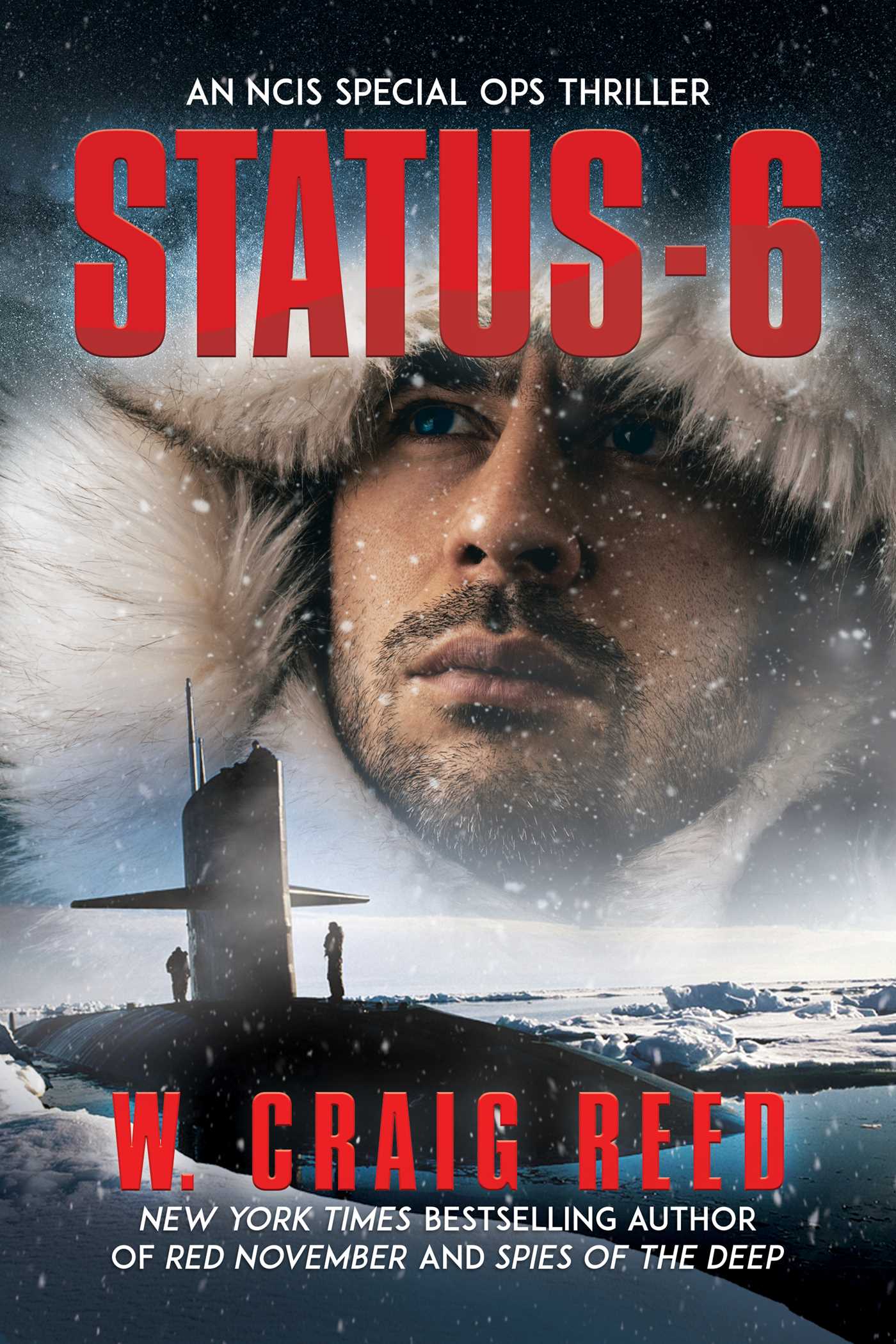
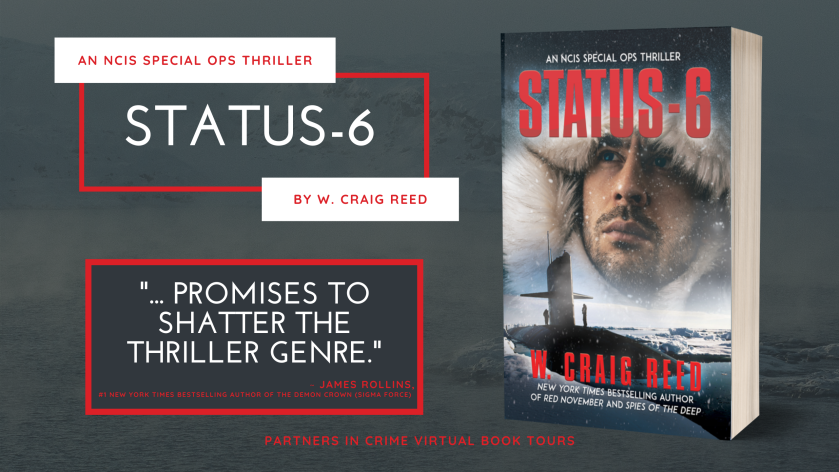
STATUS-6

by W. Craig Reed

May 1 - 31, 2021 Tour

Synopsis:

Deep beneath the Arctic Ocean, a covert team of Chinese operatives uses stolen U.S. technology to capture Russia’s newest attack submarine. Loaded with 100-megaton nuclear torpedoes, the sub is headed west. The Americans want to sink her, the Russians want her back, and the Chinese claim they’re not responsible.

NCIS agent Jon Shay is a former SEAL Team Two operator. Still shattered by the murder of his wife a year earlier, he places the barrel of a revolver against his temple, spins the cylinder, and squeezes the trigger. He hears only a click—and the chime of his phone. Activated for a mission in the Arctic, Jon pairs with British scientist Kate Barrett to battle a ticking clock, trained operatives, and top government officials. Together, they must find and stop the world’s most lethal submarine. The stakes are raised when they learn that the Russian sub is controlled by an infected AI system bent on completing its mission to create a nuclear winter.

Praise for Status-6:

“W. Craig Reed’s Status-6 is my vote for Thriller of the Year. The protagonist is Tom Clancy’s Jack Ryan meets Lee Child’s Jack Reacher.” — Grant Blackwood, #1 New York Times bestselling author of Tom Clancy’s “Under Fire

“W. Craig Reed’s latest novel, Status-6, is the best book I’ve read this year—a ripped-from-the-headlines military technothriller that literally left me awake at night, fearful of where we’re headed as a nation and a species. What’s next after the nightmare coronavirus pandemic? Don’t miss this first book in the NCIS Special Ops series that promises to shatter the thriller genre.” — James Rollins, #1 New York Times bestselling author of “The Demon Crown (Sigma Force)”

“W. Craig Reed’s Status-6 grabs you from page one and doesn’t let you go. The global security crisis revealed in this book is all-too-real and could well be tomorrow’s headlines. The characters are well-nuanced and provide a powerful urge to root for or against them. Don’t read this thriller before going to bed—you’ll be awake all night!” — George Gladorisi, New York Times bestselling author of the Tom Clancy Op Center series

Status-6 Book Details:

Genre: Military Thriller
Published by: Post Hill Press
Publication Date: April 13th 2021
Number of Pages: 256
ISBN: 1682619354 (ISBN13: 9781682619353)
Series: Status-6 is the first book in the NCIS Special Ops Thriller series.
Purchase Links: Amazon | Barnes & Noble | Goodreads

Author Bio:

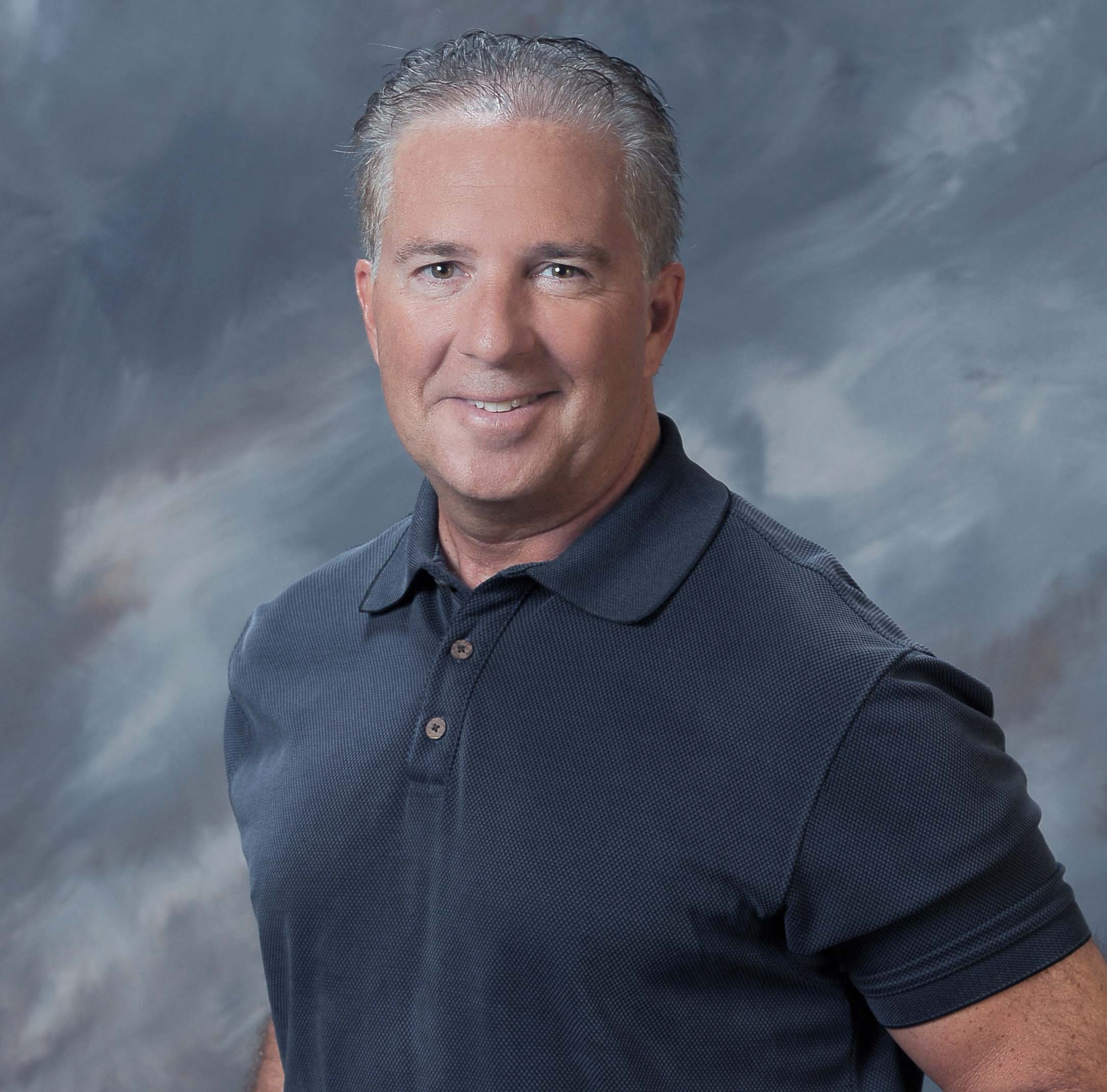
Author - W Craig Reed

William Craig Reed is the New York Times bestselling author of thrillers and non-fiction military and business books including Spies of the Deep: The Untold Story of the Most Terrifying Incident in Submarine Naval History and How Putin Used The Tragedy To Ignite a New Cold War and the critically acclaimed Red November (HarperCollins). Also, The Seven Secrets of Neuron-Leadership (Wiley), an award-winning business book, and Tarzan, My Father (ECW) co-written with the late Johnny Weissmuller, Jr.

Reed served as a U.S. Navy submariner and diver during the Cold War and earned commendations for completing secret missions, some in concert with SEAL Team One. Reed’s military experience and inside contacts help infuse his writing with intrigue and realism, and inspired his next non-fiction book, Also, this novel: STATUS-6 about a former SEAL Team Two operator turned NCIS agent that teams with a British female scientist to stop a Russian submarine controlled by an infected artificial intelligence.

Reed holds an MBA in Marketing and was a former vice president and board director for the Silicon Valley American Marketing Association. Reed is the co-founder of Us4Warriors, an award-winning Veterans Non-Profit and serves on the Board of Aretanium, a wellness firm that leverages the neuroscience he wrote about in his leadership book to provide personalized wellness and professional development programs to accelerate brains, careers, and relationships.

Catch Up With W. Craig Reed:
WCraigReed.com
Goodreads
BookBub: @wc14
Instagram: @wcraigreed
Twitter: @wcraigreed
Facebook: @wcraigreed

Tour Participants:

Visit these other great hosts on this tour for more great reviews, interviews, guest posts, and giveaways!
https://www.linkytools.com/basic_linky_include.aspx?id=301699

Enter the Giveaway:

This is a Rafflecopter giveaway hosted by Partners in Crime Virtual Book Tours for William Craig Reed. There will be ONE (1) winner who will receive TWO (2) physical William Craig Reed books (including The 7 Secrets of Neuron Leadership AND Spies of the Deep). The giveaway begins May 1, 2021 and ends on June 1, 2021. This giveaway is available only for shipping addresses located in the US, UK, and Canada. Void where prohibited.

a Rafflecopter giveaway
https://widget-prime.rafflecopter.com/launch.js

Get More Great Reads at Partners In Crime Virtual Book Tours